



Building a safeguarding culture in homecare is more than a checklist—it’s about creating a safe, respectful place where your loved ones feel protected and valued. In Bolton and Greater Manchester, knowing what good looks like in CQC-regulated homecare helps families make calm, confident decisions. At Jessamy, our governance-led care approach puts adult safeguarding and person-centred planning at the heart of everything we do. Let’s explore what a true safeguarding culture means for you and your family. Learn more about building a safeguarding culture.
Establishing a Safeguarding Culture
Creating a safeguarding culture is about more than protocols. It’s about ensuring the well-being of your family members in every interaction.
Key Principles of Safeguarding
When it comes to safeguarding, clarity matters. The primary goal is to protect individuals from harm and abuse. To achieve this, it’s vital that everyone involved in care understands what safeguarding means. It involves ensuring that people are treated with dignity and respect in environments where they feel secure. This approach is grounded in clear communication and proactive strategies tailored to individual needs. For example, regular check-ins and open dialogues can help maintain transparency with families. Explore safeguarding principles in more detail.
Governance-Led Approaches in Care
Governance-led care ensures that every action and decision is backed by policy and oversight. It’s about accountability and quality assurance. A governance-led approach integrates structured policies that guide caregivers, ensuring they act in the best interests of those they serve. This approach helps maintain high standards and fosters trust. Families can have peace of mind knowing that care is both consistent and transparent. Discover more about governance in care.
Involvement of Families in Safeguarding
Families play a crucial role in safeguarding. Their insights and observations are invaluable. At Jessamy, we encourage families to be active participants in care discussions. Regular meetings and updates ensure families are always informed and can voice concerns or provide input. This collaborative approach not only strengthens care plans but also reinforces the trust between families and care providers.
Practices for Safe Homecare
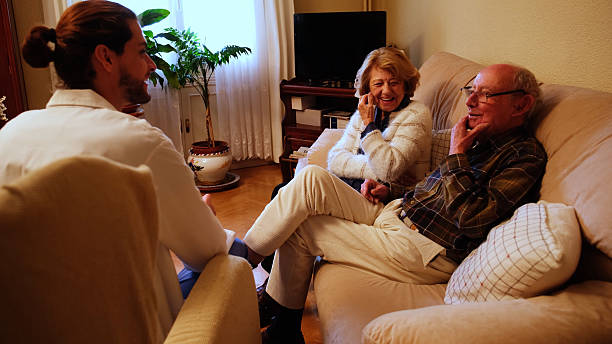
To guarantee a safe homecare environment, specific practices must be firmly in place. These practices protect both the individuals receiving care and those providing it.
Safer Recruitment and Enhanced DBS Checks
Ensuring that caregivers are qualified and trustworthy is essential. This starts with safer recruitment practices, including thorough background checks. Enhanced DBS checks are a key part of this process, verifying the credibility and reliability of potential caregivers. This step ensures that only those with a clean record and the right qualifications are entrusted with the care of your loved ones. By focusing on safer recruitment, families can feel confident in the people entering their homes.
Risk Assessment and Medication Support
Identifying and managing risks is a cornerstone of safe homecare. It involves regular risk assessments to ensure the environment remains safe and any potential hazards are addressed promptly. Medication support is also vital. Proper management ensures that medications are administered correctly, reducing the risk of errors. This ensures that individuals receive the right medications at the right times, safeguarding their health.
Whistleblowing Policy and Reporting Concerns
A whistleblowing policy is essential in safeguarding. It provides a clear pathway for caregivers and families to report any concerns without fear of reprisal. This policy ensures that any issues are addressed swiftly and appropriately. Encouraging an open culture where concerns can be freely reported enhances the safety and well-being of everyone involved. Learn more about the importance of whistleblowing in care.
What Families Should Expect

Families should expect transparent communication and high-quality care that prioritizes the individual’s needs. Let’s delve into what this looks like.
Person-Centred Care Planning
Care should always be tailored to the individual. Person-centred care planning involves creating support plans that reflect the unique needs and preferences of each person. This approach ensures that care is not only effective but also respectful of the individual’s wishes. Families should be involved in the development of these plans, ensuring that they align with the personal goals and values of their loved ones.
Dignity and Independence at Home
Maintaining dignity and independence is fundamental to quality care. Individuals should feel empowered to make choices about their daily lives, with support tailored to enhance their independence. This means providing assistance in a way that respects privacy and encourages autonomy. With the right support, individuals can continue to enjoy life in the comfort of their homes.
Supervision and Training in Care
Continuous supervision and training are essential to maintaining high standards of care. Caregivers should be regularly trained to ensure their skills remain current and effective. Ongoing supervision helps ensure that care is delivered consistently and safely. Families can feel reassured knowing that caregivers are supported and equipped to provide the best possible care for their loved ones.
Partner with us for care that blends Kindness, Love, and Care into every action.